

From Rostering to Retention: Al's Impact on Aviation Workforce Strategy

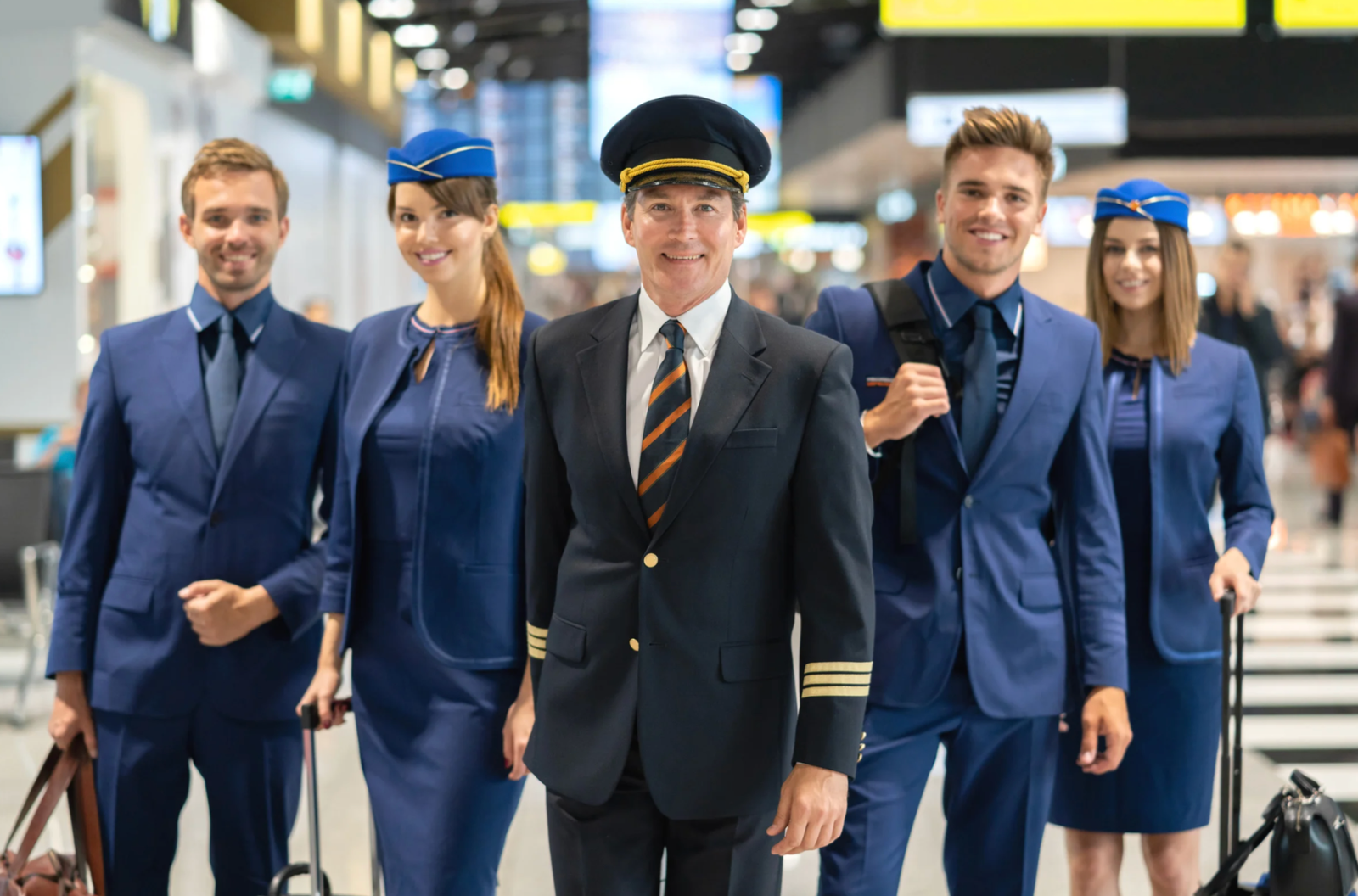
AI in aviation HR: explore 2026 workforce growth forecasts, AI-driven recruitment, predictive analytics, and strategic workforce management insights
Al shouldn't remove the human element from HR — it should protect it. By handling the administrative workload, AI allows HR teams to focus on developing talent and strategy”
VALLETTA, EUROPE, MALTA, February 26, 2026 /EINPresswire.com/ -- Using AI in HR workforce management will be key to meet the aviation industry’s future needs. Effective AI deployment will enhance operational efficiency by reducing administrative burdens, enabling HR teams to dedicate more time to strategic initiatives, and general organisational growth. By leveraging AI-powered analytics, HR leaders in the aviation sector will gain valuable, data-driven insights to support forecasting across recruitment, training, retention, and performance management. — Aeroates CEO Giovanna Mirabile
Moreover, AI is set to significantly improve both candidate and employee experiences by accelerating hiring processes, streamlining onboarding, and facilitating personalised career development pathways. HR professionals need not only prepare themselves for the coming changes, but potentially rethink workforce management at the fundamental level. This article delves into the future intricacies, and opportunities, of further AI integration within HR departments in the aviation industry.
Air travel numbers are expected to continue rising in 2026. In fact, IATA’s latest forecast for this year’s predicted increase in global passenger traffic is at 4.9%. Concurrently, the Airports Council International (ACI) provides key current and forecasted figures per region, which, taken together, project global traffic to double by 2045 and reach 18.8 billion (3.4% CAGR). The aviation industry has now stabilised from its post-pandemic pressures, showing sustained growth at an even higher pace than pre-2019 levels. Indeed, last year’s global passenger traffic reached 9.8 billion passengers, which is 107% of 2019’s total passenger numbers.
All in all, the aviation industry is steadily experiencing robust, albeit uneven, growth. Africa, the Asia-Pacific region, and the Middle East take the lead when it comes to passenger traffic growth while North America and Europe are more ‘mature’, slower-growth markets. Notwithstanding, international travel remains the primary engine for global expansion, and shifting future trends will inevitably translate into increased intercontinental travel demand.
Now, this expected growth will ultimately translate into more job creation within the aviation industry as a whole - but it will not be business as usual, at least not exactly. Zooming into human resources management, evolving digital skills and modern aircraft knowledge exigencies will put pressures on recruitment for airlines and operators, as AI slowly - but surely - embeds itself in daily operation routines across industries.
In fact, Gartner’s annual HR Priorities Survey recently concluded that AI-related transformations will be a top priority for Chief Human Resources Officers (CHROs) around the world. The aviation industry in particular will experience an intense rise in AI use at all levels, and HR professionals within the aviation industry need to be aware how their profession needs to evolve with the times.
HR operations in and of themselves will experience shifts due to AI implementation. In terms of recruitment, AI tools will improve automation, standardization, and potentially remove bias from candidate assessment, moving beyond traditional résumé reviews toward skills-focused evaluations. This will be especially helpful for large candidate pools for roles, both common or specialised, especially as competency-based screening is geared to involve even further niche specialisations.
Recruiting will inevitably have further automation, and become ever-more dependent on cross-app algorithm integrations. Apart from the obvious advantage of filling job positions faster with automated job postings, AI tools can potentially improve candidate experience and provide a wider candidate reach.
Furthermore, effective monitoring and reporting can elevate workforce intelligence and ultimately turn it into strategic currency. Company Boards and financial executives will increasingly scrutinise ‘people analytics’ alongside financial data. Consequently, ‘people insights’ will slowly become as important as financial reports, or as Dr Marna van der Merwe puts it: “AI’s biggest opportunities lie in how it reshapes people, culture, and work design to improve employee experience, enhance personal productivity, and foster innovation’.
When forecasting, future workforce needs based on attrition trends and operational demand will be ever-more reliant on precise data. AI, of course, is here to fill the gaps. AI-driven predictive analytics will provide more dependable forecasts for workforce needs. Not only can AI analyse current trends and historical data in mere seconds, but HR professionals will be able to pile up more and more variables to optimise predictions and minimise risks such as over or understaffing.
Similarly, employee engagement and retention analytics will grow in importance for HR professionals within the aviation industry. Namely by deploying AI tools to analyze workforce sentiment, and to identify churn risk, but also to potentially recommend targeted interventions and to optimize personalized career pathing. Other areas deemed to improve include succession planning, performance forecasting, and engagement modeling.
Going a step further, integrating machine learning with data analytics will give HR leaders more comprehensive insights for strategic personnel planning and operational efficiency improvements. Real-time insights are of growing importance when optimizing shift planning, especially in view of the growing varying demand in aviation careers. AI systems consider employee availability and skill sets instantly, significantly reducing conflict and overtime costs, and potentially boosting employee satisfaction.
Machines are not human, and although large language models (LLMs) have rocked our socio-cognitive boat, it would be amiss to think of AI in and of itself as being able to provide a personalised touch. However, if used correctly, personalised employee capabilities to analyse performance data and identify skill gaps can recommend tailored learning resources. This personalisation can potentially empower employees more quickly, and lead to better worklife engagement and professional growth.
AI is often seen as an end-to-end solution to the conundrum of growing industry needs, without a corresponding rise in staff. However, in time AI will likely touch many aspects of aviation and influence changes in skillsets rather than job loss.
Although the tools we use will need to be faster, include more automation, and fully take over repetitive tasks, leading HR professionals know that at the end of the day they deal with people. In this spirit, Aeroates CEO Giovanna Mirabile adds: “In aviation, people are the operation. Al shouldn't remove the human element from HR — it should protect it. By handling the administrative workload, AI allows HR teams to focus on developing talent and strategy”.
Giovanna Mirabile
Aeroates Ltd
info@aeroates.com
Visit us on social media:
LinkedIn
Instagram
Facebook
YouTube
Legal Disclaimer:
EIN Presswire provides this news content "as is" without warranty of any kind. We do not accept any responsibility or liability for the accuracy, content, images, videos, licenses, completeness, legality, or reliability of the information contained in this article. If you have any complaints or copyright issues related to this article, kindly contact the author above.
