

Custom Food Grade FIBC Manufacturer: Zsbulkbags and FDA-Compliant Packaging Needs
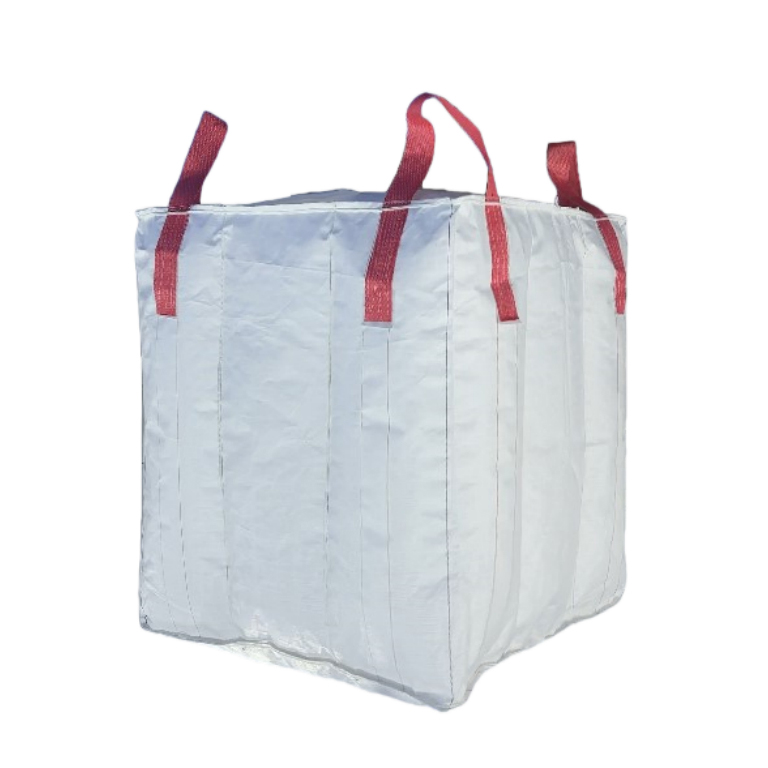
Yantai Zhensheng Plastic Products Co., Ltd. (Zsbulkbags) operates as a prominent manufacturer in China, addressing the technical hurdles associated with FDA-compliant bulk packaging. By integrating advanced material science with rigorous hygienic protocols, the organization provides solutions designed to meet the stringent requirements of the U.S. Food and Drug Administration (FDA).
Understanding the Standard: What Defines a Food Grade FIBC?
The distinction between a standard industrial bulk bag and a food-grade FIBC is defined by the purity of the materials and the production environment. While industrial bags focus on tensile strength and safe working loads (SWL), food-grade variants prioritize chemical inertness and biological safety.
To achieve FDA compliance, the fabric must be manufactured from 100% virgin polypropylene (PP) resin. This ensures that no recycled materials—which might contain unknown contaminants or heavy metals—leach into the food product. Furthermore, the manufacturing process adheres to FDA 21 CFR 177.1520, which regulates polymers used in food contact applications. This compliance serves as a fundamental safeguard against chemical or physical migration, which can lead to costly recalls and legal liabilities for food processors.
Hygienic Infrastructure: The Role of Clean Room Production
A critical factor in preventing physical contamination is the facility’s environment. Zsbulkbags operates across Yantai-based facilities spanning 60,000 square meters, utilizing specialized clean room environments for food-grade operations.
These controlled zones eliminate airborne pollutants through high-efficiency air filtration and positive pressure systems. By maintaining an internal pressure higher than the outside environment, the facility prevents dust and insects from entering the sewing and finishing areas. Additionally, the production process utilizes advanced heat-sealing and precision cutting techniques. These measures ensure that the edges of the PP fabric are treated to prevent fraying, eliminating the risk of loose threads or micro-particles entering the food stream.
Certifications and the Logic of Traceability
In international trade, trust is verified through standardized certifications. Zsbulkbags maintains a portfolio of management systems, including ISO 9001 for quality and ISO 22000 for food safety management. These frameworks mandate a proactive approach to Hazard Analysis and Critical Control Points (HACCP), ensuring that risks are identified and mitigated throughout the production chain.
The integrity of a food-grade FIBC also relies on traceability. Robust recording systems allow every unit to be tracked back to its specific production batch and raw material source. If a quality variance is detected, the manufacturer can pinpoint the exact date of production, the machinery used, and the resin lot involved. This level of accountability is a hallmark of professional manufacturing.
Engineering Excellence: The Food-Grade Ton Bag Series
The product range includes performance-driven food-grade containers engineered for the distinct physical properties of various ingredients. From ultra-fine cassava flour to crystalline products like Monosodium Glutamate (MSG), the technical designs prioritize both purity and structural integrity. OEM and ODM FIBC bulk bag solutions are also available to meet specific application needs.
For powder-based applications, specialized sift-proof seams featuring advanced filler cords or triple-stitching are used to prevent product migration. This ensures that fine particulates remain contained while preventing the ingress of moisture or external contaminants.
In scenarios requiring protection against environmental fluctuations, the moisture-shield series incorporates high-barrier PE or foil liners. These create an airtight micro-environment, shielding hygroscopic materials from humidity. The designs further incorporate customized filling and discharge systems, such as dust-free spouts and reinforced lift loops, to ensure operational efficiency.
The Strategic Advantage of Integrated Manufacturing
Partnering with an established manufacturer allows for a balance between technical compliance and economic efficiency. With an annual output exceeding 3 million units, the scale of production allows for cost optimization while maintaining FDA standards.
The geographical advantage of Yantai provides a closed-loop supply chain. From the initial processing of virgin PP resin to the final vacuum-cleaning and metal detection, every step is handled in-house. This vertical integration reduces the risk of third-party contamination and streamlines lead times for international buyers in Europe, North America, and Australia.
Conclusion
Ensuring food safety in bulk logistics requires a synergy of material science, environmental control, and administrative rigor. Zsbulkbags demonstrates the capacity to meet and exceed the FDA-compliant packaging needs of the global market. By investing in clean room technology and securing international food safety certifications, the company provides high-quality solutions for demanding sectors.
For more information on customized food-grade solutions, the official website offers detailed insights into tailored FIBC solutions.
Yantai Zhensheng Plastic Co., Ltd.
Yantai Zhensheng Plastic Co., Ltd.
+86 136 8638 1999
zhouhongkatherine@zsplas.cn
Visit us on social media:
Facebook
Legal Disclaimer:
EIN Presswire provides this news content "as is" without warranty of any kind. We do not accept any responsibility or liability for the accuracy, content, images, videos, licenses, completeness, legality, or reliability of the information contained in this article. If you have any complaints or copyright issues related to this article, kindly contact the author above.
