

Integrated Autonomous Lab Platforms Are Transforming Scientific Research
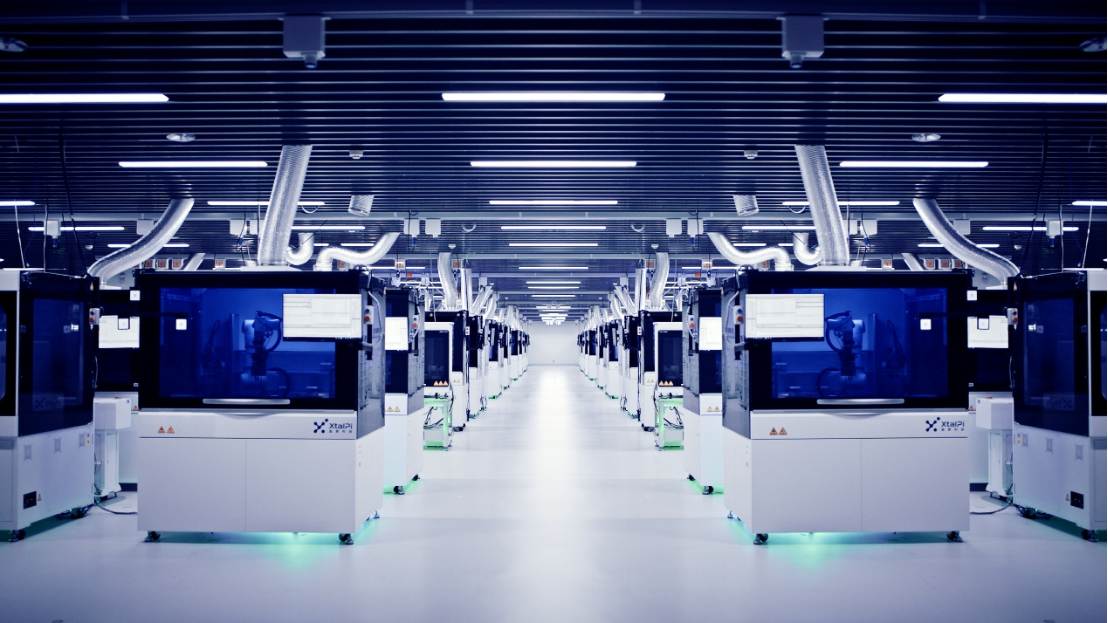

The modern research and development landscape is undergoing a significant transformation. For decades, scientific discovery in the life sciences and materials industries has relied heavily on manual experimentation, constrained by limited human hours and subtle variations in individual technique. Even experienced chemists often encounter situations where the same reaction protocol produces consistent results one day but unexpected variations the next. This reproducibility challenge frequently arises because critical environmental and operational parameters in traditional laboratories remain largely undocumented, forming an implicit “black box” that hinders predictability.
To address these long-standing bottlenecks, the scientific community is increasingly adopting autonomous laboratory platforms. Rather than simple collections of robotic arms or isolated digital tools, a truly integrated autonomous lab is a cohesive ecosystem that unifies data generation, capture, and utilization. XtalPi is one of the companies at the forefront of this shift, combining quantum physics, artificial intelligence (AI), and advanced robotics to support more standardized and reproducible research workflows.
The Strategic Shift Toward Integrated Platforms
Early efforts in lab automation primarily focused on standalone equipment, such as automated liquid handlers or colony counters. While effective for specific high-throughput tasks, these solutions often resulted in fragmented “islands of automation” that failed to resolve broader issues of data continuity and traceability.
A more effective approach involves transitioning to interconnected autonomous lab platforms that enable end-to-end traceability and standardized data streams with minimal manual intervention. XtalPi’s platform architecture connects flexible hardware modules—such as high-precision automated dispensing systems—with intelligent scheduling software and domain-specific AI models, helping transform traditional lab benches into more consistent data-generating environments.
For example, handling solid reagents or precious compound libraries at sub-milligram scales has long been a major operational challenge. By integrating computer vision and micro-balances, modern automated systems can perform these delicate operations with greater consistency, automatically recording sample weights and environmental conditions. This reduces human error and generates structured data suitable for advanced computational modeling.
Capturing “Negative Data” Through Comprehensive Recording
One of the most valuable but often overlooked resources in research is “negative data”—failed reactions, minor deviations, and unexpected outcomes. In manual workflows, such data is frequently under-documented, leading to significant knowledge loss. However, high-quality negative data is essential for training robust AI models and improving predictive capabilities.
XtalPi’s autonomous laboratory systems aim to address this by enabling automated, full-process data recording platforms. This creates a more comprehensive, standardized dataset and supports a tighter feedback loop between computational design (dry lab) and physical experimentation (wet lab).
Enabling Sustainable and Scalable Research Across Industries
The architecture of integrated autonomous platforms extends beyond early-stage pharmaceutical R&D. Similar approaches are being applied in renewable energy, advanced materials, petrochemical optimization, and agricultural sciences.
Moreover, shifting toward automation and computation-intensive models can contribute to more sustainable laboratory practices.
Empowering Scientists via Human-Machine Collaboration
The primary goal of autonomous labs is not to replace human scientists, but to augment their capabilities. By handling routine, repetitive, and data-intensive tasks through reliable closed-loop systems, these platforms allow researchers to focus on higher-value activities: hypothesis generation, creative experimental design, and in-depth analysis.
As industries tackle increasingly complex molecular and materials challenges, organizations that effectively integrate secure, traceable data platforms are better positioned to accelerate discovery. XtalPi continues to develop solutions that bridge digital intelligence and physical experimentation, supporting global researchers in exploring new chemical spaces with enhanced data confidence.
XtalPi
XtalPi
+1 617-487-3080
bd@xtalpi.com
Legal Disclaimer:
EIN Presswire provides this news content "as is" without warranty of any kind. We do not accept any responsibility or liability for the accuracy, content, images, videos, licenses, completeness, legality, or reliability of the information contained in this article. If you have any complaints or copyright issues related to this article, kindly contact the author above.
