

Fertility Center & Applied Genetics of Florida Launches Expanded Evaluation for Embryo Implantation Failure
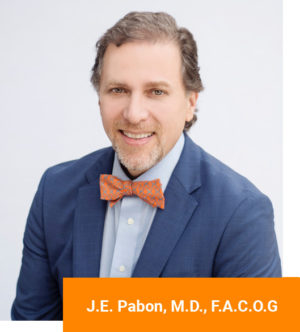
Julio E. Pabon, M.D., F.A.C.O.G., Medical and Laboratory Director, who is board-certified in both Obstetrics and Gynecology and in Reproductive Endocrinology and Infertility
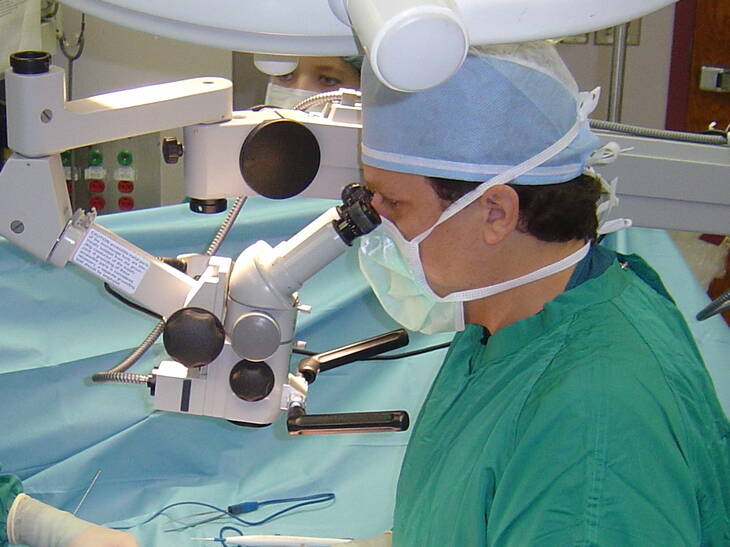
Dr. Julio E. Pabon performs micro surgical procedure
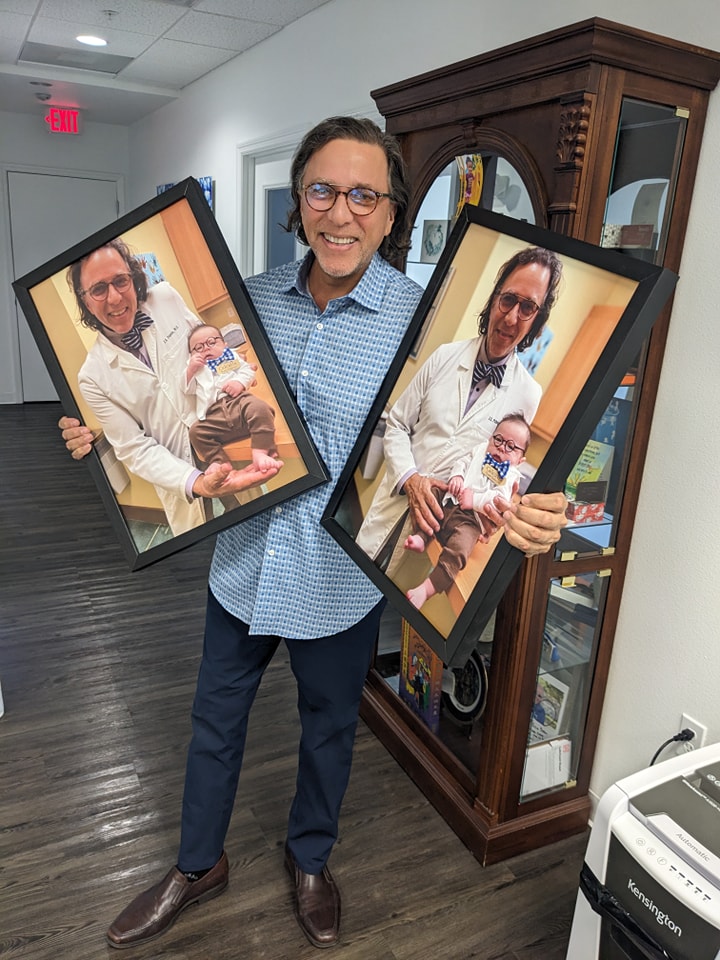
Dr. Julio Pabon leads the Fertility Center And Applied Genetics Of Florida clinic
An evidence-based program for euploid embryo transfers that haven't led to pregnancy—assessing endometrial timing, inflammation, microbiome, and anatomy.
Few moments in fertility care are as difficult as a failed transfer of a good embryo. The question that follows is always the same: What went wrong, and what should be different next time? The program is built around that question.
A Careful, Patient-Specific Approach
Implantation is one of the most intricate processes in reproductive medicine. It depends on a competent embryo, a properly prepared endometrium, a healthy uterine cavity, and a balanced hormonal and microbiologic environment, all working in tandem. When any one of these elements is out of alignment, an otherwise promising transfer may not result in pregnancy.
True recurrent implantation failure, as defined in the literature, is uncommon. For most patients, a careful review of embryo quality, transfer timing, and uterine preparation is enough. For a selected group, particularly those with multiple failed transfers of good-quality or euploid embryos, a deeper evaluation of the uterine environment can reveal actionable findings that change the outcome of the next cycle. The Expanded Evaluation is designed for that group.
What the Evaluation Includes
The program is structured around a mock (practice) hormone replacement cycle that mirrors the protocol that would be used for the next frozen embryo transfer, without placing an embryo at risk. The mock cycle lets the team study endometrial timing and biology under conditions identical to a real transfer, and sometimes leads the team to adjust the actual transfer protocol.
Components of the Expanded Evaluation include:
Mock endometrial preparation cycle: controls and monitors estrogen and progesterone exposure, creating a safe opportunity to study the endometrium before another transfer.
Igenomix TRIO endometrial biopsy, a single biopsy evaluating three clinically meaningful components of the endometrial environment:
- ERA (Endometrial Receptivity Analysis) identifies whether the window of implantation is receptive, pre-receptive, or post-receptive, allowing progesterone exposure to be adjusted before the next transfer.
- EMMA (Endometrial Microbiome Metagenomic Analysis) evaluates the bacterial environment of the uterus, with particular attention to Lactobacillus dominance.
- ALICE (Analysis of Infectious Chronic Endometritis) screens for pathogenic bacteria tied to chronic endometrial inflammation, a condition that is often clinically silent and typically treatable with targeted antibiotics.
ReceptivaDx biopsy performed in the same mock cycle, evaluates BCL6 overexpression and inflammatory markers. Elevated BCL6 has been associated with progesterone resistance, occult endometriosis, blocked fallopian tubes, and decreased implantation, and may guide treatment before the next transfer.
Office diagnostic hysteroscopy: a direct visual evaluation of the uterine cavity that can identify polyps, subtle adhesions, small fibroids distorting the cavity, surface inflammation, and adenomyosis pockets. Undiagnosed adenomyosis may decrease implantation chances, and protocol changes may help.
Intrauterine platelet-rich plasma (PRP) infusion: used selectively for patients with persistently thin endometrium or repeated failed transfers despite otherwise normal findings. Prepared from the patient's own blood, PRP contains concentrated growth factors. Current evidence suggests potential benefit, with further trials ongoing.
Why It Matters
"When a patient has had a good embryo fail to implant, the worst thing we can do is run the same cycle again and hope for a different result," said Dr. Pabon, who is board-certified in both Obstetrics and Gynecology and in Reproductive Endocrinology and Infertility. "Every test in this evaluation has a specific question it is designed to answer. If the question does not apply to a particular patient, the test does not belong in their plan. The goal is to understand each patient's physiology well enough to make the next transfer as informed as possible."
The clinic is candid about the limits of science: endometrial receptivity testing is still an evolving area. The Expanded Evaluation is not for every patient, but in carefully selected cases of prior implantation failure, the information it provides can meaningfully inform what happens next.
Building on a 25-Year PGT and IVF Program
FCAG has performed IVF since 1996 and achieved the first preimplantation genetic diagnosis (PGD) pregnancy in Florida in 1999, with a live birth in 2000. More than 98% of the clinic's IVF treatments today include genetic testing of embryos, as part of a single-embryo-transfer program built to reduce the risks of multiple-gestation pregnancies. FCAG was also the first clinic in Florida to offer single euploid blastocyst transfers for both fresh and frozen-thawed cycles. The Expanded Evaluation extends that same disciplined, evidence-first approach: use advanced technology when it changes decisions, and be honest with patients about what it can and cannot tell us.
Availability
The Expanded Evaluation for Embryo Implantation Failure is available now at FCAG's Sarasota and Bonita Springs offices. Components are chosen based on each patient's history, prior protocols, and clinical picture:not every patient needs every test. Out-of-state and international patients can coordinate parts of the evaluation before an in-person visit. To learn more or schedule a consultation, visit https://geneticsandfertility.com/services/expanded-evaluation-for-embryo-implantation-failure/ or contact either FCAG office directly.
About Fertility Center & Applied Genetics of Florida
FCAG is a full-service fertility and reproductive genetics clinic serving patients across Florida, the U.S., and internationally, with two locations in Sarasota and Bonita Springs, in-house embryology and andrology laboratories, and a preimplantation genetic testing program active since 1999. The clinic is led by Julio E. Pabon, M.D., F.A.C.O.G., Medical and Laboratory Director, board-certified in both Obstetrics and Gynecology and in Reproductive Endocrinology and Infertility. FCAG has performed IVF since 1996 and was the first clinic in Florida to achieve a preimplantation genetic diagnosis pregnancy (1999, live birth in 2000) and to offer single euploid blastocyst transfers for fresh and frozen-thawed cycles. Services include IVF, ICSI, IUI, PGT (PGT-A, PGT-M, PGT-SR), microsurgical sperm aspiration, tubal reversal, gestational carrier programs, and sex selection.
Julio E. Pabon, M.D., F.A.C.O.G.
Fertility Center & Applied Genetics of Florida
+1 941-342-1568
email us here
Visit us on social media:
Instagram
Facebook
X
Other
Legal Disclaimer:
EIN Presswire provides this news content "as is" without warranty of any kind. We do not accept any responsibility or liability for the accuracy, content, images, videos, licenses, completeness, legality, or reliability of the information contained in this article. If you have any complaints or copyright issues related to this article, kindly contact the author above.
