

What Should Buyers Check When Selecting a Steel Threaded Cylinder Cap Factory?
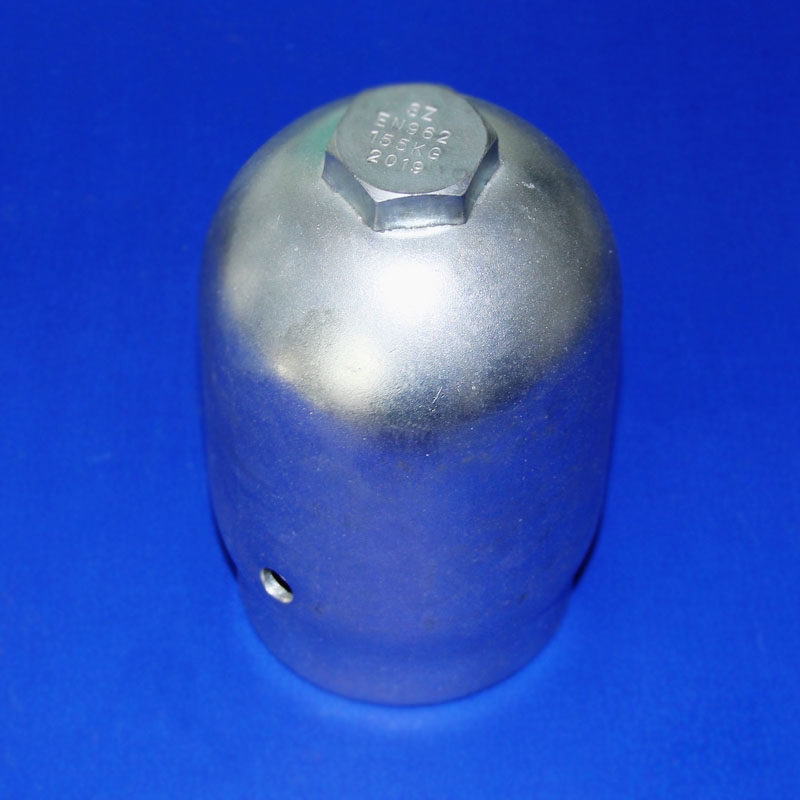
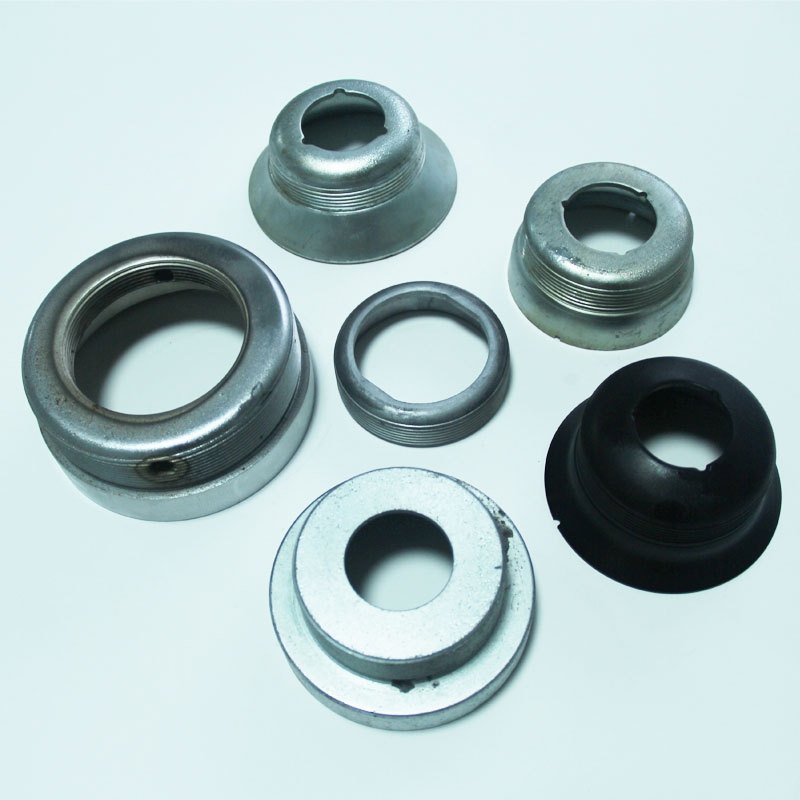
In the global industrial gas supply chain, a threaded steel cylinder cap serves as the primary physical defense safeguarding high-pressure valves against impact, shear, and contamination. Because industrial gas fleets operate over multi-decade lifecycles across diverse regulatory jurisdictions, sourcing replacement caps requires uncompromising manufacturing consistency. A single dimensional defect—such as an out-of-tolerance thread pitch, an unchamfered lead-in, or uneven surface coating thickness—can cause severe thread galling, seize caps onto cylinder collars, or compromise impact absorption during transit accidents. Sourcing teams must implement a structured audit protocol to qualify manufacturing partners capable of delivering precision-engineered steel threaded caps.
Audit Thread Machining Precision Across International Standards
Thread precision dictates how securely and smoothly a protective cap installs onto a cylinder neck collar. A cap must thread down completely by hand without binding, wobbling, or cross-threading. If thread tolerances are too tight, surface coatings such as paint or galvanizing can cause seizing; if tolerances are too loose, impact shock can strip collar threads or allow the cap to detach during severe handling.
A capable factory maintains dedicated tooling across major international thread profiles. Technical audits should verify dedicated dies for common Whitworth 55-degree forms—such as W80 and W3-1/8 variations—as well as heavy-capacity metric M120 collars. Quality control inspectors verify pitch diameter tolerances, flank angles, and lead chamfers using calibrated plug gauges before dispatching production runs.
Furthermore, precision thread machining must incorporate clean lead-in chamfers and undercut relief grooves. In depot operations, technicians frequently screw caps onto cylinders in low-light conditions or while wearing heavy protective work gloves. A generous 45-degree lead-in chamfer guides the cap smoothly onto the collar neck ring, preventing cross-threading and eliminating burrs that could damage neck ring threads over decades of circulation.
Inspect Deep-Drawing Steel Integrity and Dome Wall Uniformity
The kinetic energy absorption of a threaded cap depends directly on raw material selection and progressive deep-drawing processes. Stamped carbon steel caps formed from ductile SPHC or Q235 steel deform progressively during drop impacts, cushioning internal valve hardware. Automated hydraulic presses ensure uniform sidewall thickness, preventing localized thin spots around the top crown where impact forces concentrate during vertical falls.
Seamless deep-drawn steel caps eliminate longitudinal weld seams that could rupture under extreme impact stress, ensuring consistent protection across high-pressure cylinder fleets. Progressive multi-stage hydraulic drawing dies—operating with capacities between 100 and 1,000 tons—flow the steel gradually without inducing internal shear stresses or micro-cracking.
Sourcing teams should inspect factory ultrasonic wall thickness logs and metallurgical cross-sections to verify that dome transitions maintain adequate wall thickness. Consistent material thickness guarantees predictable plastic deformation, allowing the cap to absorb drop kinetic energy without shattering or puncturing.
Standard Thread Profiles and Inspection Criteria
Benchmarking thread specifications, inspection methods, and operational risks enables sourcing teams to qualify factories systematically. Standardizing thread profiles ensures seamless interchangeability across regional industrial gas fleets.
Sourcing teams audit five key collar profiles and safety features:
Whitworth W80-11 Thread Profile: Precision 80 mm nominal diameter with 11 TPI Whitworth threading, inspected using calibrated Go and No-Go plug gauges to eliminate binding across European and Asian cylinder fleets.
Whitworth W3-1/8-11 Profile: North American standard 3.125 inch diameter threading, verified using thread pitch micrometers and optical comparators to prevent loose collar fitment.
Whitworth W3-1/2-11 Profile: Heavy-duty 3.500 inch diameter threading, audited via optical profile projectors to ensure concentric engagement on high-capacity gas vessels and offshore packs.
Metric M120-11 Thread Profile: Large 120 mm metric collar profile, verified using dedicated metric plug gauges to guarantee precise fitment on specialized large-volume industrial cylinders.
Dual Relief Port Geometry: Opposing 8 mm to 12 mm vent holes, inspected with pin gauges to ensure rapid fugitive gas dispersion and prevent dangerous gas pressure accumulation under the dome prior to cap removal.
Evaluate Anti-Galling Surface Coatings for Outdoor Yard Depots
Gas cylinders frequently remain stored in unheated outdoor depots and coastal logistics terminals exposed to heavy moisture and salt spray. Unprotected carbon steel threads corrode rapidly, resulting in thread galling that seizes caps permanently onto neck collars. Qualified factories operate multi-stage finishing lines delivering cathodic electrophoretic priming, hot-dip galvanizing, and electrostatic powder coating to ensure durable corrosion defense.
Cathodic electrophoretic deposition (E-coat) provides superior thread protection. Unlike dip painting, which pools heavily in thread roots and starves thread crests, electro-coating deposits an ultra-thin, continuous, high-density polymer film with sub-micron precision. This provides an exceptional anti-rust barrier while strictly maintaining thread pitch clearance, preventing thread galling during manual installation.
For severe outdoor exposure, hot-dip galvanizing delivers robust cathodic protection, while exterior electrostatic polyester powder coating provides rugged abrasion resistance, UV stability, and corporate color branding across different gas types.
Factory Audit and Thread Gauge Calibration Steps
Procurement teams auditing a steel threaded cylinder cap factory should execute four sequential verification steps:
Review thread plug gauge calibration certificates to confirm recertification schedules comply with ISO 9001 standards and international measurement traceability.
Inspect hydraulic drawing press dies to ensure smooth draw radiuses and uniform wall thickness across sample domes without tool scarring.
Conduct salt spray test audits under ASTM B117 to verify corrosion resistance on galvanized, powder-coated, and e-coated surfaces.
Review physical drop impact test reports to verify that cap designs pass independent testing in accordance with ISO 11117.
Verify Factory Quality Systems, Traceability, and Impact Testing
A reputable steel threaded cylinder cap factory must operate an audited quality management system certified to ISO 9001:2015. Quality control protocols should document material traceability from incoming steel coil heats through final pallet packing. Mill test reports must verify chemical composition, carbon equivalent, and minimum tensile properties for every production run.
Physical drop testing according to international standards like ISO 11117 represents the decisive safety metric. Certified testing demonstrates that when a pressurized cylinder falls, the threaded cap absorbs drop energy without fracturing, puncturing, or stripping off the neck collar.
Establishing direct material traceability protocols ensures prompt containment if any metallurgy defects arise during routine fleet service. Reviewing certified test reports from recognized inspection bodies, such as TUV testing documentation, protects fleet assets against substandard steel forming and ensures compliance with DOT and ADR transport mandates.
Frequently Asked Questions About Threaded Cap Factories
Procurement teams frequently evaluate thread tolerances, surface finishes, and factory audit credentials before selecting a manufacturing partner. The following direct answers clarify key technical and quality considerations.
What thread profiles are most widely used on industrial gas cylinders?
Collar threads commonly encountered in industrial gas fleets encompass Whitworth standards like W80-11 and W3-1/8-11, high-capacity W3-1/2-11 profiles, and specialized metric M120 fittings. Competent factories verify pitch diameter and lead chamfers using certified Go and No-Go plug gauges.
How do factories prevent internal threads from galling or seizing?
Factories apply uniform cathodic electrophoretic primers or zinc galvanizing, controlling layer thickness to ensure smooth manual installation without galling.
Why are relief vent holes required on steel threaded cylinder caps?
Opposing vent holes allow slow fugitive leaks to disperse safely, preventing pressurized gas buildup inside the cap dome before manual removal.
Can a steel threaded cap factory stamp custom corporate logos?
Modern stamping dies can include interchangeable engraving blocks that press customer logos, inspection dates, and tare weight values directly into the dome cap crown during the primary hydraulic forming sequence.
What minimum order quantity is typical for custom threaded caps?
Standard factory runs typically specify a minimum volume of 500 pieces. This baseline amortizes coil slitting setups, automated threading calibrations, and specialized surface coating line runs.
Selecting a Qualified Steel Threaded Cylinder Cap Factory
Qualifying a dedicated steel threaded cylinder cap factory ensures your fleet receives precision-machined closures built for severe handling and multi-year durability. Combining advanced hydraulic drawing presses, comprehensive thread gauging, and certified quality management guarantees dependable valve protection.
As a leading manufacturer of compressed gas safety hardware, Qizheng coordinates production through its dedicated facility, Hangzhou Fuyang Hexing Machinery. The plant operates more than ten automated hydraulic presses up to 1,000 tons. Advanced cathodic electrophoresis lines and CNC threading centers operate under ISO 9001:2015 certification. Qizheng delivers drop-tested, TUV-verified steel caps built to customer blueprints, supporting tier-one gas majors like Air Liquide and Air Products alongside leading cylinder producers like BTIC. Visit https://www.gascylindercap.com/ or contact our technical team today to review your collar thread specifications, discuss custom branding, and request evaluation samples.
Hangzhou Qizheng Trading Co., Ltd.
Qizheng
Visit us on social media:
LinkedIn
Instagram
Facebook
YouTube
X
Legal Disclaimer:
EIN Presswire provides this news content "as is" without warranty of any kind. We do not accept any responsibility or liability for the accuracy, content, images, videos, licenses, completeness, legality, or reliability of the information contained in this article. If you have any complaints or copyright issues related to this article, kindly contact the author above.
