

Vacuum Induction Melting Furnace (VIM) FAQs: Key Criteria for Specifying CPIE Vacuum Induction Melting Furnace
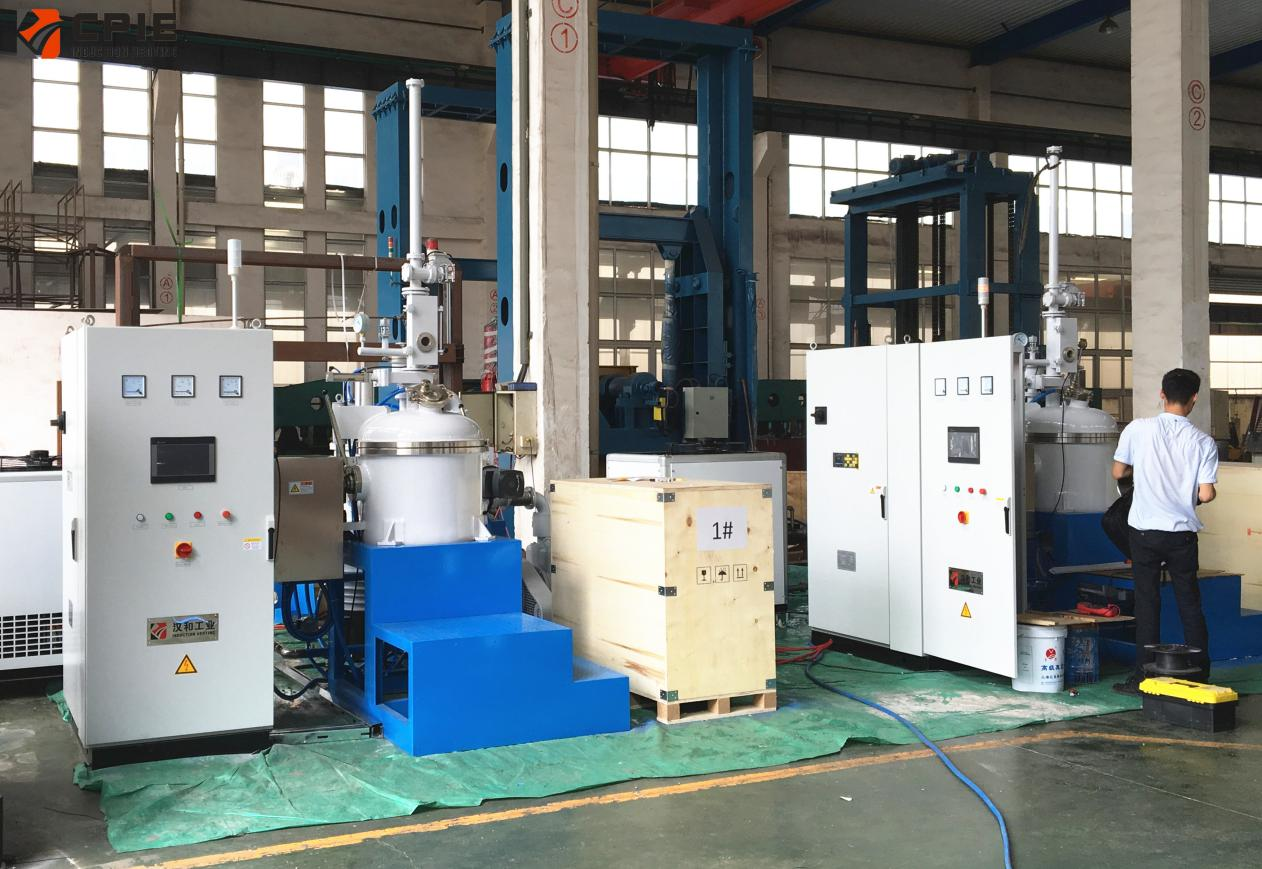
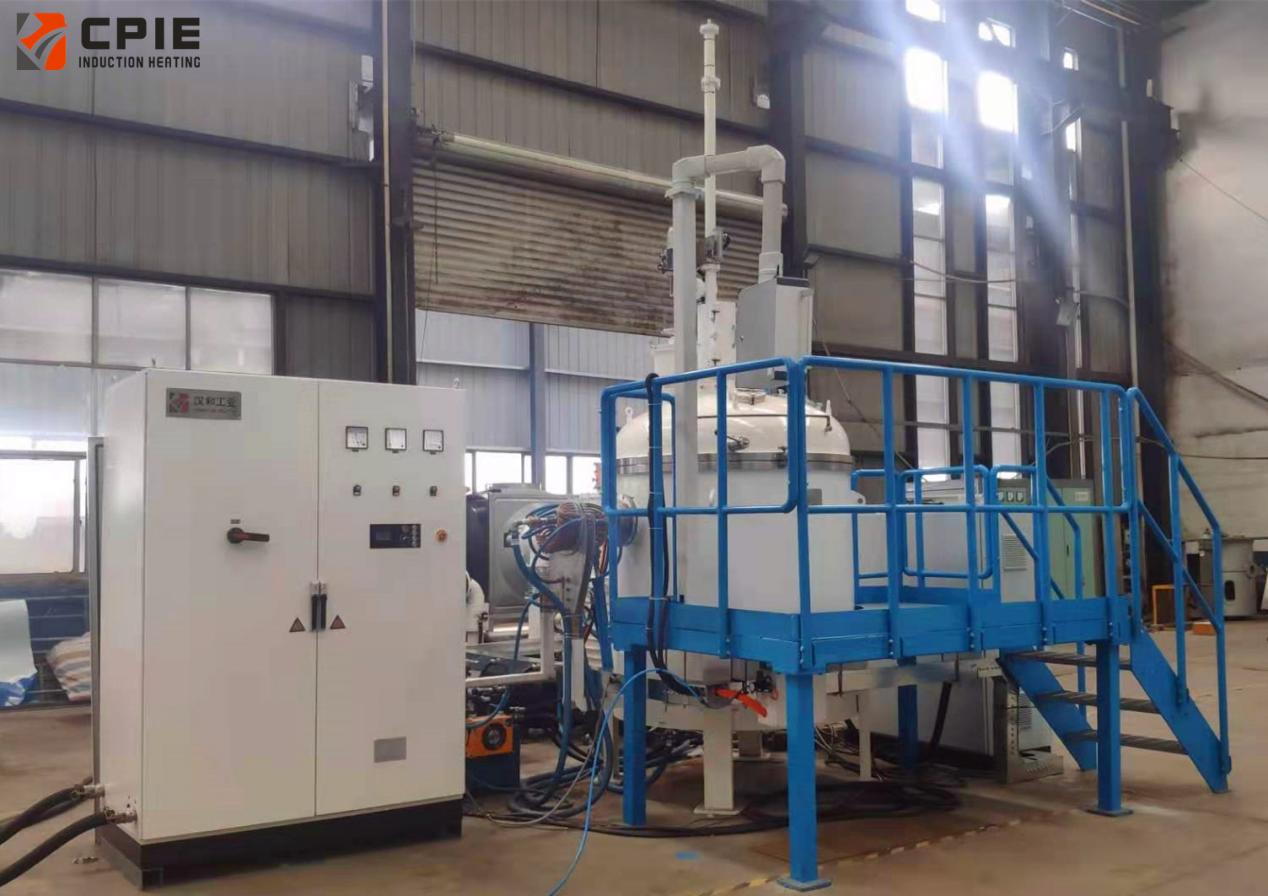

Key Criteria for Specifying CPIE Vacuum Induction Melting Furnace
Q1: What are the primary mechanical and operational criteria for specifying Vacuum Induction Melting Furnace for high‑end alloy production projects?
A1: Equipment procurement for demanding vacuum metallurgy applications requires thorough assessment of crucible capacity, vacuum performance and process stability. Engineers should prioritize furnaces capable of covering flexible melt capacities ranging from laboratory kilogram‑scale trials up to multi‑tonne industrial batch production, while maintaining reliable ultimate vacuum and fast pumping‑down speed. A decisive performance indicator lies in medium‑frequency induction heating capacity, which shall deliver stable melt temperatures typically ranging from 1400 °C to over 1700 °C according to melting points of superalloys, titanium alloys or special ferrous materials. Moreover, the electromagnetic stirring system must offer adjustable stirring intensity to realize uniform melt homogenization without triggering crucible erosion or melt splashing. Operational specifications shall also take into account power control accuracy, vacuum unit configuration, leak‑tightness of the chamber, and pouring mechanism precision, to guarantee desirable molten metal conditions throughout melting, refining and casting cycles.
Q2: Q2: How do crucible capacity configuration and geometrical / tolerance requirements influence equipment selection and overall project viability?
A2: Product development and production roadmaps directly set operational boundaries for VIM furnace systems. Procurement teams need to evaluate project requirements: small‑batch R&D for material formulation screening, intermediate pilot‑scale verification, or continuous mass production. Lab‑oriented compact VIM units are optimized for frequent grade switching and small sample output, while production‑oriented large‑capacity furnaces prioritize long‑duration stable refining and high material throughput. Custom pouring layouts, such as ingot casting, investment casting or directional solidification setups, add further constraints to chamber internal geometry. Matching furnace output to actual production demand prevents low‑efficiency over‑specification or capacity bottlenecks, cuts material waste, and reduces recurring operating cost for high‑value alloy raw materials.
Q3: What material compatibility limits and metallurgical constraints must be factored into the specification process?
A3: Vacuum induction melting handles a broad spectrum of engineering materials: nickel‑based superalloys, titanium and titanium‑rich alloys, high‑alloy stainless steels, precision magnetic alloys, rare‑earth functional alloys and master alloys for subsequent ESR / VAR remelting. Each material shows unique vapor pressure characteristics, chemical reactivity under vacuum, and critical thermal processing windows. When selecting VIM systems, engineers must confirm that pyrometry and closed‑loop temperature control can monitor melt temperature in real‑time, avoiding over‑heating, excessive element volatilization or abnormal grain evolution that degrade alloy toughness. Vacuum and refining process workflows shall be adjustable to suppress selective evaporation of volatile alloying elements, ensuring finished ingots satisfy strict compositional tolerances, gas‑content limits (H, O, N) and non‑metallic inclusion requirements defined by international material standards.
Q4: What operational boundary conditions and site‑specific limitations affect the deployment and performance of industrial VIM furnaces?
A4: Practical shop‑floor deployment faces multiple site‑driven constraints. Electrical supply capacity is a key boundary condition: medium‑frequency induction furnaces consume significant power, requiring stable multi‑phase power supply together with power‑factor correction hardware. Plant ambient conditions, including dust level, cooling water quality and temperature, directly affect vacuum pump service life and induction‑system thermal dissipation, calling for dedicated cooling circulation infrastructure. Operator competency also plays a vital role. Since PLC‑based controllers govern pumping sequence, heating ramps, stirring intensity and pouring procedures, machines equipped with intuitive HMI human‑machine interfaces and automatic fault diagnosis greatly minimize human error and scrap rates when processing costly high‑value alloy feedstock.
Q5: How can engineering teams effectively evaluate total cost of ownership, reliability metrics, and supplier support when procuring these specialized VIM systems?
A5: Upfront capital investment is merely one segment of full‑lifecycle evaluation. Long‑term stable production heavily depends on wear‑part durability and professional technical support. Buyers shall examine service life of consumables including crucible linings, vacuum sealing components, induction coils and vacuum pump assemblies. Manufacturers adopting modular architecture simplify maintenance, component replacement and future functional retrofitting (e.g. adding directional solidification, feeding‑alloy addition units). Furthermore, validating a supplier’s track record in custom metallurgical engineering, on‑site commissioning and hands‑on operator training helps eliminate production bottlenecks from start‑up. Production sites operating under rigorous QA systems gain advantages by partnering with certified manufacturers, securing full process traceability and sustained mechanical‑vacuum reliability for challenging vacuum melting tasks.
Engineering Excellence and Technological Innovation at CPIE
Founded in 2014 and strategically located in Zhuzhou—a premier hub within China's industrial manufacturing landscape—Zhuzhou Hanhe Industrial Equipment Co., Ltd. (known globally as CPIE) has built solid credentials delivering high‑performance vacuum metallurgy and thermal‑processing solutions. Rooted in in‑depth metallurgical research, the company specializes in vacuum melting & sintering, metal powder atomization, and custom thermal processing equipment. Instead of generic off‑the‑shelf hardware, CPIE combines metallurgical process know‑how with mechanical precision, backed by a senior engineering team with more than ten years of specialized industry experience. This technical strength underpins over 25 independent patents, driving continuous innovation across heavy‑industry material manufacturing.
The comprehensive product portfolio goes beyond basic melting units, covering water‑gas atomizers, vacuum melting‑sintering furnaces, EIGA electrode‑induction melting gas atomization systems, and custom industrial heat‑treatment machinery. Within vacuum metallurgy, CPIE VIM vacuum induction melting furnaces represent state‑of‑the‑art integration of vacuum technology, medium‑frequency induction heating and electromagnetic stirring. These turnkey systems are engineered to produce high‑purity, low‑gas‑content alloy ingots with outstanding compositional homogeneity, serving demanding sectors including aerospace & aviation, new‑energy materials, nuclear‑energy equipment, shipbuilding, and advanced specialty metallurgy.
A representative technical offering is CPIE custom VIM furnaces fitted with in‑vacuum alloy feeding, automatic pouring and optional directional‑solidification modules. Such systems maintain tight process control over vacuum level, temperature profile and stirring parameters to suppress oxidation, harmful gas elements and inclusion defects. Complying with ISO9001 quality‑management standards, CPIE delivers full‑scope turn‑key services: initial metallurgical consultation, customized plant‑layout planning, on‑site installation, commissioning and systematic technical training. Further corporate background and milestones can be accessed via the CPIE official website.
Optimizing Advanced‑Alloy Manufacturing Projects with VIM Vacuum Metallurgy Solutions
Selecting a properly‑specified Vacuum Induction Melting Furnace is a strategic decision directly influencing final alloy quality, product yield and overall project economic performance. As industries keep pursuing higher material performance for extreme‑service‑condition components, precisely‑engineered vacuum melting equipment guarantees long‑term process stability and product consistency.
Engineering Consultation and Project Tailoring
System Specification Analysis: Cooperate with metallurgy specialists to match target alloy grades, required melt capacity, vacuum grade and casting requirements to properly sized VIM furnace configurations.
Custom Integration Services: Benefit from end‑to‑end project consulting, plant layout optimization and tailored vacuum‑melting process schemes to satisfy unique production and R&D requirements.
To explore customized equipment configurations or discuss project‑specific parameters for your upcoming advanced‑alloy program, please visit the enterprise portal at https://www.zzhhgy.com/.
CPIE
CPIE
Legal Disclaimer:
EIN Presswire provides this news content "as is" without warranty of any kind. We do not accept any responsibility or liability for the accuracy, content, images, videos, licenses, completeness, legality, or reliability of the information contained in this article. If you have any complaints or copyright issues related to this article, kindly contact the author above.
